Questions answered
Rooflight Questions Answered
Short answers to the questions we are asked on site, each one answered in its first line and then explained.
Choosing

How big can a roof lantern be?
Do roof lanterns need planning permission?

Can a roof lantern be fitted to an existing extension?

Do roof lanterns leak?
How long does a roof lantern take to fit?
Can a roof lantern be opened?
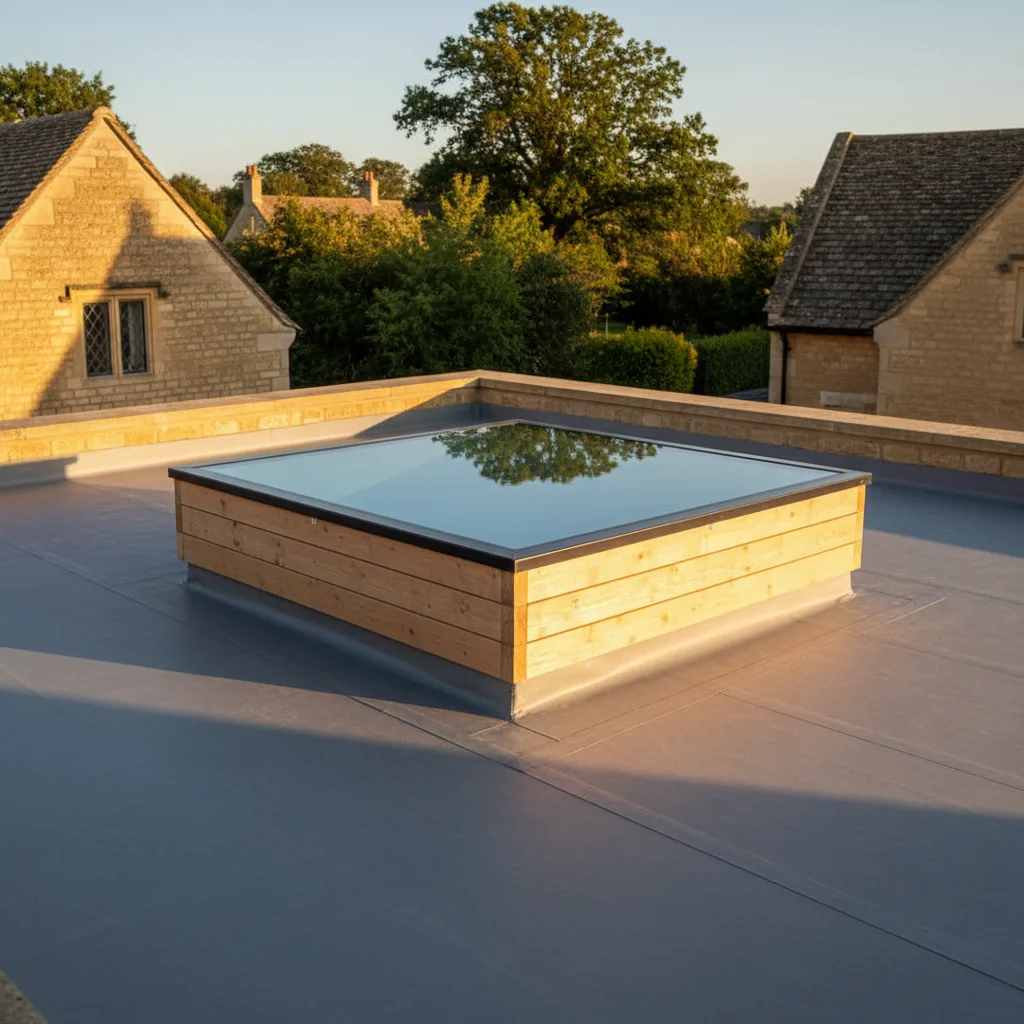
Do roof lanterns make a kitchen too hot?
What pitch does a roof lantern need?
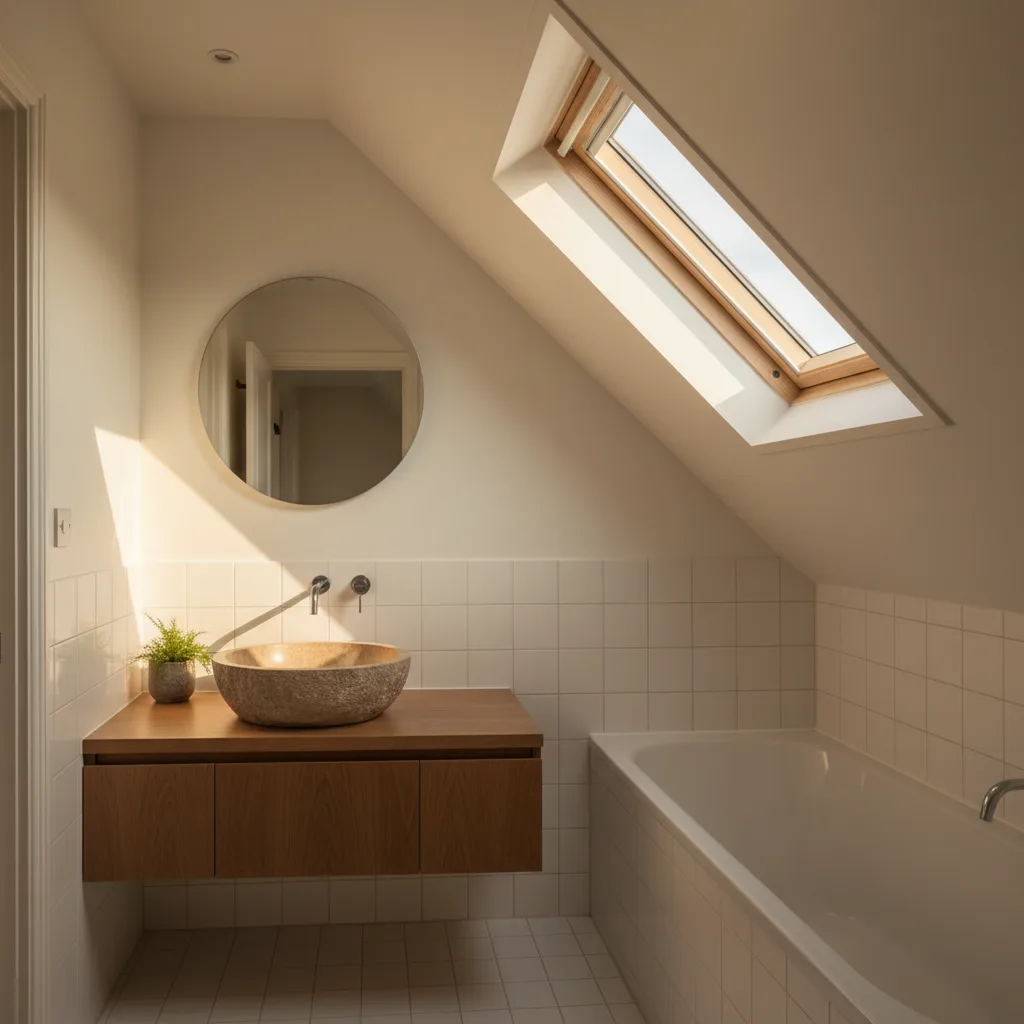
Can you fit a roof lantern yourself?

Do roof lanterns need a steel beam?
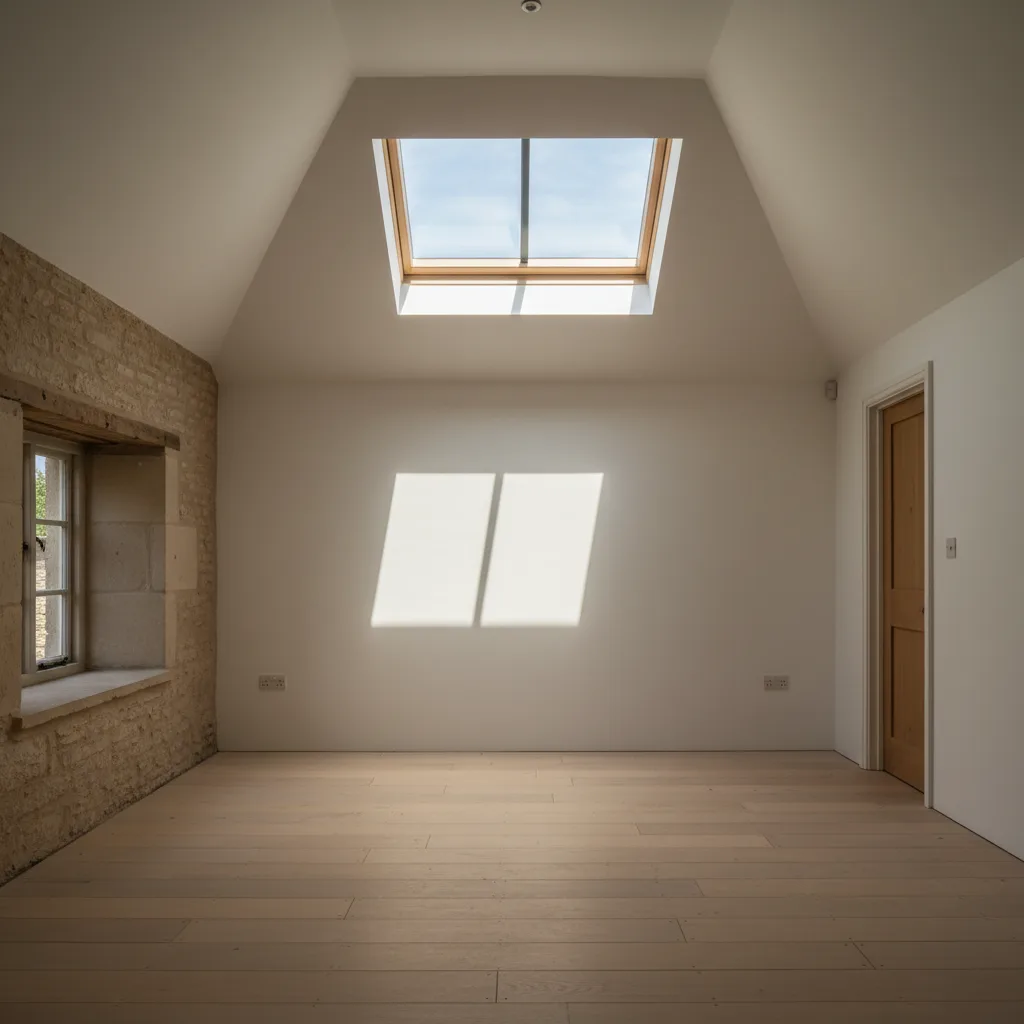
How do you clean a roof lantern?
Are roof lanterns noisy in rain?
Can a roof lantern have blinds?

What colour should a roof lantern frame be?
Do roof lanterns lose a lot of heat?
Can a roof lantern go on a flat roof with no fall?
Do roof lanterns need a survey before ordering?
How much does a roof lantern cost?
Are roof lanterns better than flat rooflights?
What is a roof window?
How much does a roof window cost to fit?
What size roof window should I get?
Can a roof window be an escape window?
How do you clean the outside of a roof window?
Do roof windows come with blinds?
Can you replace a roof window with a bigger one?
How long does a roof window last?
Can a roof window be fitted in a bathroom?
What is the difference between centre-pivot and top-hung?
Do roof windows need servicing?
Can you fit a roof window in a flat roof?
Can a roof window be painted?
Do roof windows come in standard sizes?
What is a roof window flashing kit?
Can two roof windows share one flashing?
Are roof windows noisy in rain?
Do roof windows need blinds?
What is the difference between a skylight and a rooflight?
Which roof window brand is best?
Specification
Can a rooflight be fitted to a flat roof?

What is a rooflight upstand?
How much does a flat roof rooflight cost?
Do flat rooflights need to be sloped?
Can you walk on a flat rooflight?

Why is my flat rooflight leaking?

How high should a rooflight kerb be?
Can a flat rooflight be opened?

How many rooflights can you put in a flat roof?

Do flat rooflights cause condensation?

Can a flat rooflight go over a shower?
Are flat rooflights secure?
Can you fit a flat rooflight to a felt roof?
Do flat rooflights hold water after rain?
What is the minimum fall for a flat roof with a rooflight?
What is the maximum size of a flat rooflight?
Can a flat rooflight be fitted to a green roof?
What is a walk-on rooflight?
Can rooflights be fitted to a garage roof?
Do flat rooflights need building regulations?
What is the minimum pitch for a rooflight?
Can you fit a rooflight to a tiled roof?
Does fitting a rooflight weaken the roof?
How much does a pitched roof rooflight cost?
Can a rooflight be fitted from inside?
Do you need scaffolding to fit a rooflight?
What size rooflight fits between rafters?
Can a rooflight go near a chimney?
How is a rooflight made watertight?
Can a rooflight be moved to a different part of the roof?
Do rooflights work on a north-facing slope?
Can you fit a rooflight over a valley?
Can a rooflight be fitted to a hipped roof?
How close to the ridge can a rooflight go?
How steep can a roof be for a rooflight?
Can a rooflight be fitted between rafters?
Can two rooflights be joined together?
How many rooflights do I need in a loft conversion?
How long does a rooflight installation take?
Do rooflights leak?
Living with it
Can rooflights be opened electrically?
How much does an electric rooflight cost?
Do electric rooflights need an electrician?
Can you convert a manual rooflight to electric?
What happens to an electric rooflight in a power cut?
Do electric rooflights close automatically in rain?
Are solar powered rooflights any good?
How long do electric rooflight motors last?
Can you open a rooflight from your phone?
Do electric rooflights need a socket in the roof?
Are electric rooflights noisy when opening?
Can an electric rooflight be opened manually?
Do electric rooflights leak more?
What is a chain actuator?
Can electric rooflights be fitted to old buildings?
How many electric rooflights can one switch control?
Do you need a rain sensor?
Can electric blinds be added later?
Are electric rooflights worth the extra cost?
What maintenance does an electric rooflight need?
What U-value should a rooflight have?
Will a rooflight make my room too hot?
What causes condensation on a rooflight?
Are rooflights bad for insulation?
Is triple glazing worth it in a rooflight?
What is a g-value?
Do rooflights lose more heat than windows?
How do you stop a rooflight overheating?
What glass stops solar gain?
Do rooflights need trickle vents?
Why does my rooflight drip in winter?
Does a rooflight need a vapour barrier?
What is a warm-edge spacer?
Do solar control rooflights make a room dark?
How noisy is rain on a rooflight?
Can you add insulation around an existing rooflight?
Do rooflights meet current building regulations?
What is the most energy efficient rooflight?
Does a rooflight affect an EPC rating?
Can you retrofit better glass into a rooflight?
Costs
Do rooflights need planning permission?
Do I need building regulations approval for a rooflight?
Who notifies building control about a rooflight?
How much does a rooflight cost?
Do rooflights add value to a house?
Is a rooflight cheaper than a dormer?
What is the smallest rooflight you can fit?
How do you clean a rooflight you cannot reach?
Can rooflights be fitted in winter?
Do you install rooflights on thatched roofs?
Can I put a rooflight in a listed building?
What is a conservation rooflight?
Do you work outside Gloucester?
How far in advance should I book?
Do you handle the building control notification?
What is a sun tunnel?
Can a rooflight be fitted to a bungalow?
How much light does a rooflight actually give?
Do rooflights need blinds?
What guarantee comes with the work?
How long does a rooflight last?
Can you replace a rooflight without scaffolding?
How much does it cost to replace a skylight?
Why is my roof window misted up inside the glass?
Can you replace just the glass in a rooflight?
Do you remove the old rooflight and dispose of it?
Can a rooflight be replaced in winter?
How long does a skylight replacement take?
Do I need permission to replace a rooflight?
Can a bigger rooflight go in the same opening?
What if the timber around the opening has gone soft?
Is it cheaper to replace or repaint a rooflight frame?
Can you replace a rooflight from inside the room?
Do replacement rooflights need building regulations?
Should I replace all my rooflights at once?
Can you replace a rooflight on a flat roof?
What happens to the plaster around the opening?
Can you match my existing rooflight?
How do I find out what rooflight I have?
Is a misted rooflight an emergency?
Anything else
Still not covered, then just ask us.
This is the short-form half of the site. Each page below takes one question, answers it in the opening line, and then spends the rest of the page explaining the answer well enough that you can act on it. No preamble, no scene setting, no working up to the point. If the question you have is a single question, this is the faster place to look.
One question, one page, and the answer in the first line
The format is deliberate and it is the same on every page. The question is the title. The first sentence of the body is the answer, stated plainly, including when the plain answer is that it depends on the pitch or the covering. Everything after that exists so you can tell whether the answer applies to your roof, what would change it, and what to do next.
That means these pages are designed to be abandoned early. Reading two lines and leaving is a successful visit. A great many questions in this trade have a short true answer that the industry tends to wrap in qualifications, and stripping those away is most of the value here.
How these differ from the guides
Both bodies of writing are technical and both are written by the same hands. The difference is scope, not seriousness.
A guide takes a subject: how a rooflight is sized to the structure it sits in, or how glazing specification follows orientation. It works through the subject from several directions, carries tables, and expects a reader with time. An answer takes a question: whether a rooflight can go into a trussed roof, or whether a particular unit counts as an escape window. It gives the reply and enough surrounding detail to use it.
In practice people move between them in both directions. A question answered here often raises a second-order question that only a guide has room for, so the answers link across to the relevant guide where one exists. Equally, a guide will link down to an answer rather than absorbing a narrow question into a long section where nobody would find it. Where the question is about a specific piece of work, both link to the service page that describes it.
If you can phrase what you need as a single sentence ending in a question mark, start here rather than in the guides.
Where the questions came from
These are not invented to fill a page. They are the questions asked on scaffolds, at kitchen tables, in the first email and halfway through a survey, collected across fifteen years of putting glass into roofs.
That origin shows in what they cover. A fair number are about permission, because the rules are genuinely confusing and the consequences of getting them wrong are expensive. A fair number are about condensation, because water appearing on the inside of glass looks exactly like water coming in and is usually neither. Some are about noise, heat and blinds, which nobody thinks to ask until they have lived under a rooflight for one summer. Some are about the practical shape of the work: how long it takes, whether you need to move out, what happens to the room below, what happens if the weather turns.
Several are the questions people are slightly reluctant to ask out loud, about whether a quotation is reasonable or whether a previous installation was done properly. Those get straight replies too.
Filed under the same four headings as the guides
The questions sit in the same four groups the longer writing uses, so moving between the two does not mean learning a second filing system.
- Choosing holds the questions asked before anything is ordered: what fits, what is allowed, what suits the roof, what size is realistic.
- Specification holds the questions about the unit and the detail: glass, coatings, opening mechanisms, flashings, upstands, insulation.
- Living with it holds everything that comes up after the scaffold has gone: condensation, heat, noise, cleaning, ventilation, blinds and how a unit ages.
- Costs holds the questions about what moves a price and how to read what you have been sent, alongside the costs page.
Within each group the pages sit in no particular order of importance, because a question is either yours or it is not.
Reading an answer that nearly matches your roof
Most answers here are conditional on something, and the condition is stated. Three of them do most of the work, and it is worth checking them against your own roof before treating an answer as settled.
Pitch. A great many answers change at around fifteen degrees, which is roughly where a manufactured in-plane roof window stops being suitable and a kerb-mounted unit takes over. Others change again at the shallow end, where falls and ponding become the governing issue.
Covering. The method for forming an opening in concrete interlocking tile and the method for Cotswold stone slate are barely the same job. Where an answer says something is straightforward, it usually means straightforward on a modern covering, and it will say so where the stone changes the reply.
Structure. Cut roof or trussed roof is the other great divider. An answer about widening an opening means one thing where rafters can be trimmed to a design and quite another where a triangulated frame has to be carried on a designed member.
If two of those three match your roof and one does not, the answer is probably still useful and the exception is probably the interesting part of your job.
Sending a question of your own
Questions arrive here from real enquiries, so a new one is genuinely welcome and frequently ends up on the site. Email info@severnskylightsgloucester.co.uk. A photograph of the roof from outside and one of the room from inside will usually get a more precise reply than the question alone, because a great deal that is hard to describe in words is obvious in a picture: the covering, the pitch, the abutments, the run of slope and often the age of the construction.
If the question turns out to be about your specific roof rather than about rooflights in general, the reply will say so and point at what would settle it. That is usually a survey, and the reasoning behind that sequence, along with why an indicative range comes first and a fixed price second, is set out on the costs page.